Peptides for Weight Loss: What You Need to Know
A complete guide to weight loss peptides — how GLP-1 medicines work, which compounds clinics use, and how to understand Semaglutide, Tirzepatide, and Retatrutide.
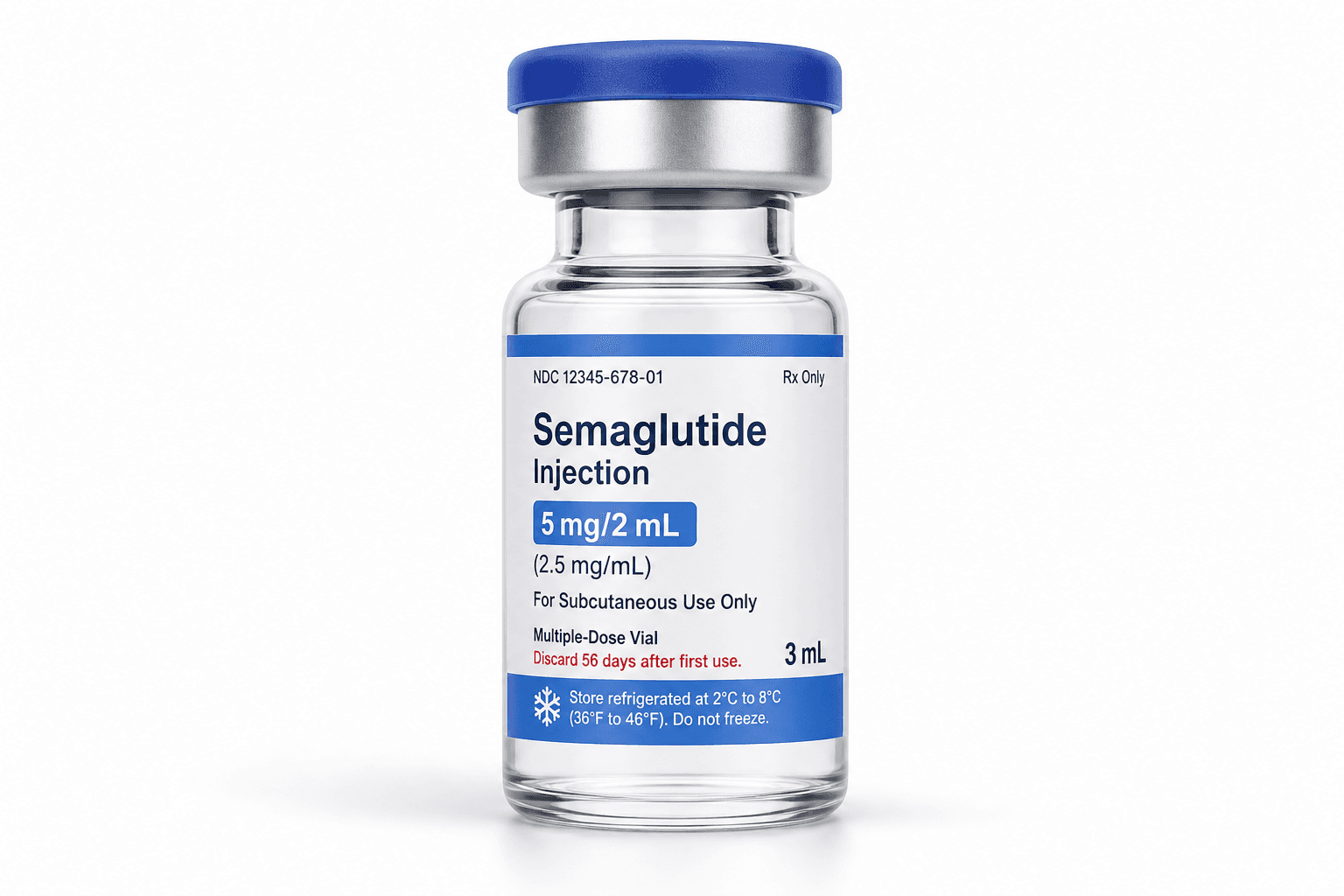
When people search for "peptides for weight loss," they are usually referring to prescription incretin-based medicines — not unregulated research compounds. The most clinically established options are GLP-1 receptor agonists and dual GIP/GLP-1 agonists used under physician supervision in structured weight management programs.
What Are Weight Loss Peptides?
Peptides are short chains of amino acids. Several FDA-approved weight management medicines are peptide-based, including Semaglutide and Tirzepatide. They mimic natural gut hormones (incretins) that regulate appetite, slow gastric emptying, and support glycemic control — helping patients feel fuller longer and reduce caloric intake.
Main Medicine Types in Clinical Use
- Semaglutide — GLP-1 receptor agonist; widely used in clinic vials, pens, capsules, and sublingual drops
- Tirzepatide — dual GIP/GLP-1 agonist; supports advanced metabolic pathways in supervised programs
- Retatrutide — triple GLP-1/GIP/glucagon agonist; used in specialized advanced clinical protocols
- Orforglipron — oral non-peptide GLP-1 pathway option available in capsule formularies
- BPC-157 — recovery-focused peptide, sometimes combined with GLP medicines in blend protocols
How They Help With Weight Management
- Reduce appetite and food cravings through brain satiety signaling
- Slow stomach emptying so patients feel satisfied with smaller portions
- Support blood sugar stability as part of comprehensive metabolic care
- Work best alongside nutrition counseling, activity planning, and follow-up visits